![Yacht Rock Revue[1]](https://b4113423.assetcdn.net/2.0/4113423/wp-content/uploads/2026/10/Yacht-Rock-Revue1-218x150.jpg?lossy=2&strip=1&webp=1 "The Art of Healing")












SPRING IN SOUTH WALTON: FLOWERS, SUNSHINE, AND YELLOW FLIES
Written by Kellyanne Bartleson, Public Outreach Coordinator
As warm weather returns to South Walton, so do one of spring’s less welcome visitors—yellow flies. Known for their persistence and painful bites, these insects typically appear in early spring and remain active for about six weeks, with peak season running from April through June.
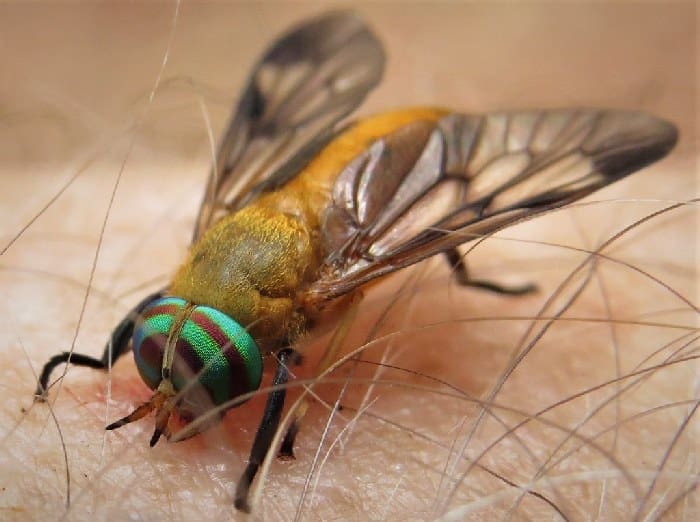
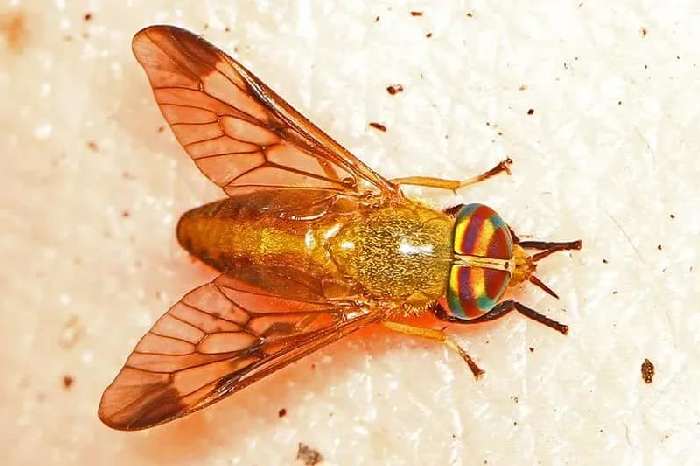
Yellow flies (Diachlorus ferrugatus) are quiet, fast daytime biters that often go unnoticed until it’s too late. They are most commonly found near shaded tree lines, wetlands, and wooded areas, especially on calm or cloudy days.
Why Yellow Fly Bites Hurt
Unlike mosquitoes, yellow flies do not simply pierce the skin. Female yellow flies use scissor-like mouthparts to cut the skin, creating a small wound while releasing anticoagulants to keep blood flowing. This process results in a sharp, painful bite and often leaves behind a raised welt. Some individuals may even experience allergic reactions. Only female yellow flies bite, as they require a blood meal to produce eggs. Males, on the other hand, feed on nectar and pollen and play a role in pollination.



Life Cycle & Habitat
Yellow flies lay their eggs on vegetation over water or damp soil. Once hatched, larvae drop into moist environments, where they develop over the course of about a year. They thrive in shaded, organic-rich areas such as root systems of cypress trees. Because they develop in natural wetlands and forested environments, controlling them at the larval stage is not currently possible. Adults may appear as early as March and can persist into late summer.
Prevention Tips
While yellow flies cannot be eliminated entirely, a few simple steps can help reduce bites:
- Wear light-colored, loose-fitting clothing
- Avoid dark clothing, hats, and sunglasses, which attract flies
- Use insect repellents containing DEET
- Cover exposed skin when possible
- Limit time near shaded tree lines during peak activity
Yellow flies can also bite pets. If you’re concerned, consult your veterinarian for guidance.
Yellow Fly Kits
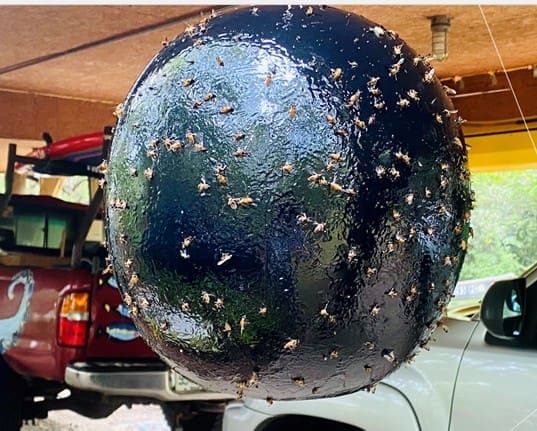
Because spraying is not effective—and can harm beneficial pollinators—the South Walton Mosquito Control District does not spray for yellow flies. Instead, they offer free Yellow Fly Kits designed to reduce activity around individual homes. These traps attract and capture biting females, helping lessen their presence in small areas.
Kits will be available April 1 through June 30, 2026 (Monday–Thursday, 7:30 AM–4:00 PM). Proof of South Walton residency is required, and one kit is provided per primary residence.
While yellow fly season can be uncomfortable, it’s temporary. With a little preparation, you can still enjoy the beauty of spring along the coast
For more info, please call (850) 267-2112 or visit: www.southwaltonmosquitocontrol.org.